
EV Charger Installation in Qatar, the 22 kW Home Limit
22 kW is the largest home charger Kahramaa allows, and it must be an AC unit. EV charger installation in Qatar needs Kahramaa approval first, filed by a certified electrical contractor, with the charger then linked to the smart platform.
 Arady Desk7 min read
Is EV Charger Installation in Qatar Allowed at Home?
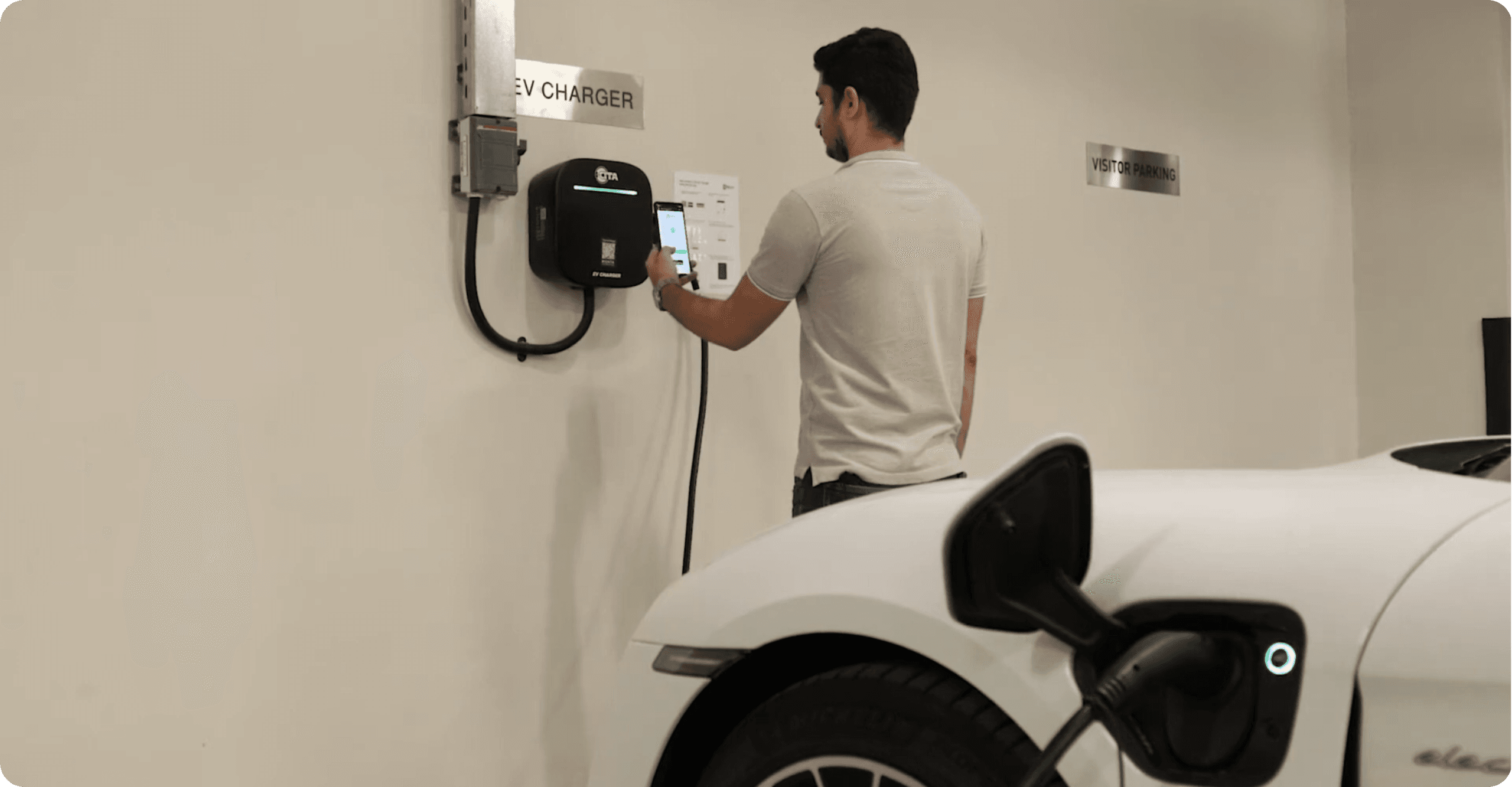
EV charger installation in Qatar is permitted in residential properties, subject to approval from Kahramaa, the Qatar General Electricity and Water Corporation, which regulates all EV charging stations in the country. In October 2025, Kahramaa announced updated procedures for the installation of EV chargers, applicable to residential buildings as well as government entities and the private sector. Under these procedures, no installation can commence without first consulting Kahramaa.
For owners of villas, a certified electrical contractor submits the installation request for Kahramaa approval. Subsequently, the charger is connected to the Kahramaa smart platform. Arady explains below the limits, the procedure and the technical requirements for residential properties.
What Kahramaa Allows at Home
At home, only AC chargers approved by Kahramaa are allowed, and these can be 22 kW or less. DC fast chargers are meant for public use, and those set up in public places by Kahramaa are 50 kW, 100 kW and 150 kW, according to The Peninsula.
Chargers meant for home use can either be level 1, providing around 4 kW of power, or level 2, which the Kahramaa technical specification puts at 7 kW – 20 kW. Chargers in compounds count as residential as well, whether they are in a villa or in a common area, as per the same specification.
This is not the first Kahramaa limit for the residential sector. In 2021, as Gulf Times reported, the guidance stated that AC chargers for home use should be 11 kW or less, so this figure still appears in older articles. The 2025 update doubles that number. The earlier guideline also said that 11 kW chargers suit places where the vehicle is parked for more than six hours, which would include a home.
Home EV charger rules at a glance
Kahramaa requirements for residential buildings
| Item | Details |
|---|---|
| Charger | |
| Type allowed | AC only |
| Maximum capacity | 22 kW |
| Cable length | Up to 7.5 m |
| Application | |
| Channel | KMSP, through a certified electrical contractor |
| Documents | Site plans, no objection letters, smart platform commitment |
| Start of work | Only after Kahramaa approval |
| After installation | |
| Smart platform | Connection required |
| Operation and maintenance | Property owner |
| Contacts | |
| Tarsheed email | asktarsheed@km.qa |
| Tarsheed WhatsApp | 7772 8600 |
| Kahramaa call center | 991 |
EV Charger Installation Steps
The 2025 procedures run through the Kahramaa Service Package System, known as KMSP.
- The owner chooses an AC charger of up to 22 kW that adheres to the Kahramaa technical specification
- The owner hires a certified electrical contractor, since the request must be submitted through one
- The contractor submits the request on KMSP along with site plans and no objection letters from the authorities concerned
- The owner commits to connecting the charger to the Kahramaa smart platform
- Installation can commence once Kahramaa approves the request
- The charger is connected to the smart platform once installation is complete
The published summary does not specify which authorities provide the no objection letters for a private villa, so it is recommended to check with Kahramaa before filing. If a higher electricity load is required, the owner has to apply for an increase in electricity loads, which according to Hukoomi can only be requested through an electricity consultant.
Technical Rules the Charger Must Meet
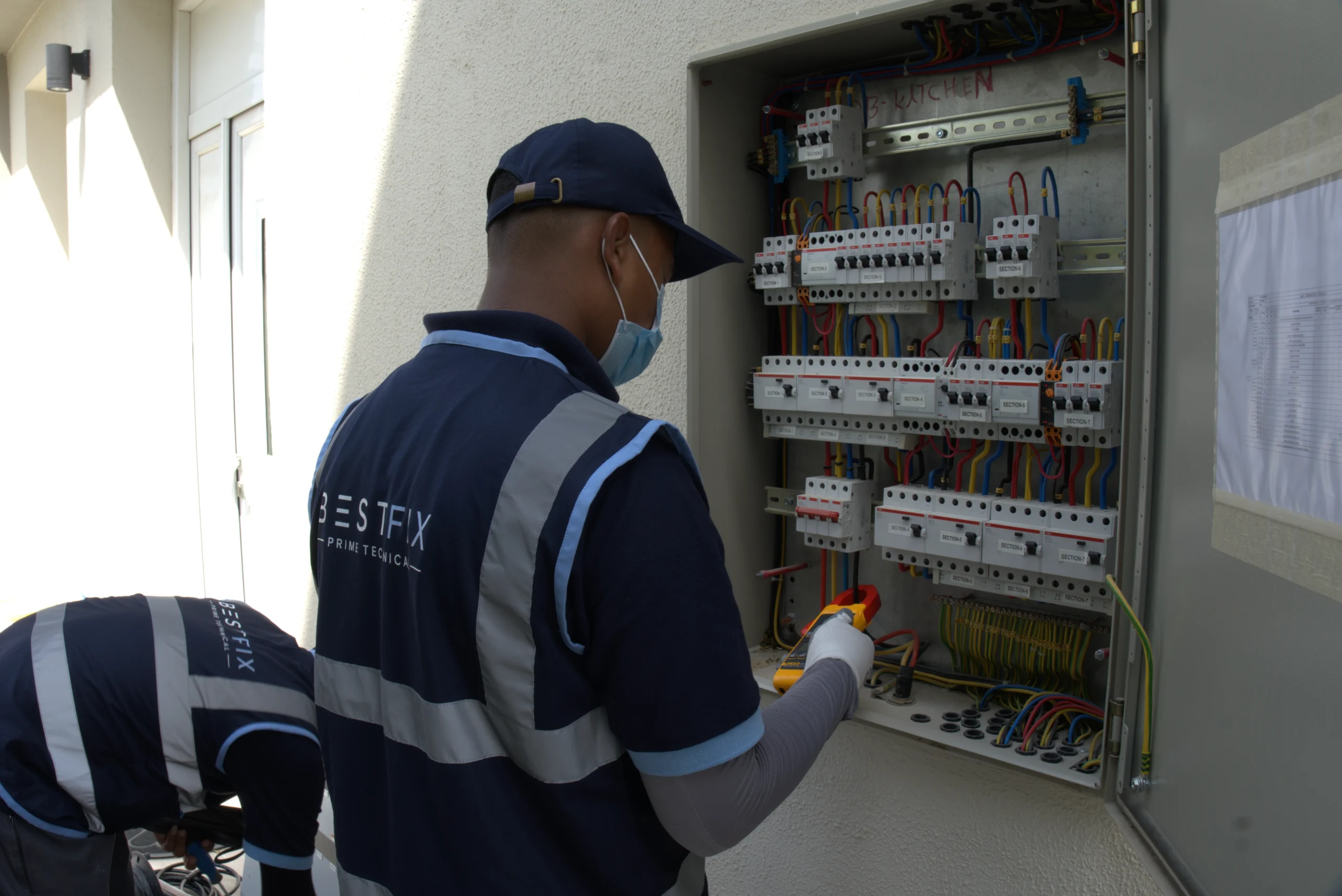
Chargers must comply with the Kahramaa specification for EV charging equipment, which includes the following requirements.
- Chargers must have a listed system of protection against electric shock
- The connector must be de-energized upon unplugging from the vehicle
- Plug-in chargers must be rated at not more than 250 volts and connected to outlets rated at not more than 50 amperes
- Chargers without a plug must be permanently connected, with no accessible live parts
- Cable length must not exceed 7.5 m unless a cable management system is fitted
- Overcurrent protection must be rated for continuous duty at not less than 125% of the maximum load
- Outdoor parts must be protected against dust and water in accordance with IEC 60529
A permanent label next to the outlet must also indicate that the circuit supplies EV charging equipment. Chargers must comply with the Gulf editions of the IEC 61851 and IEC 62196 standards and with the Kahramaa electricity wiring code. An Energy Star certificate is optional but preferred, as it indicates low power consumption in idle mode.
Why Must the Charger Join the Smart Platform?
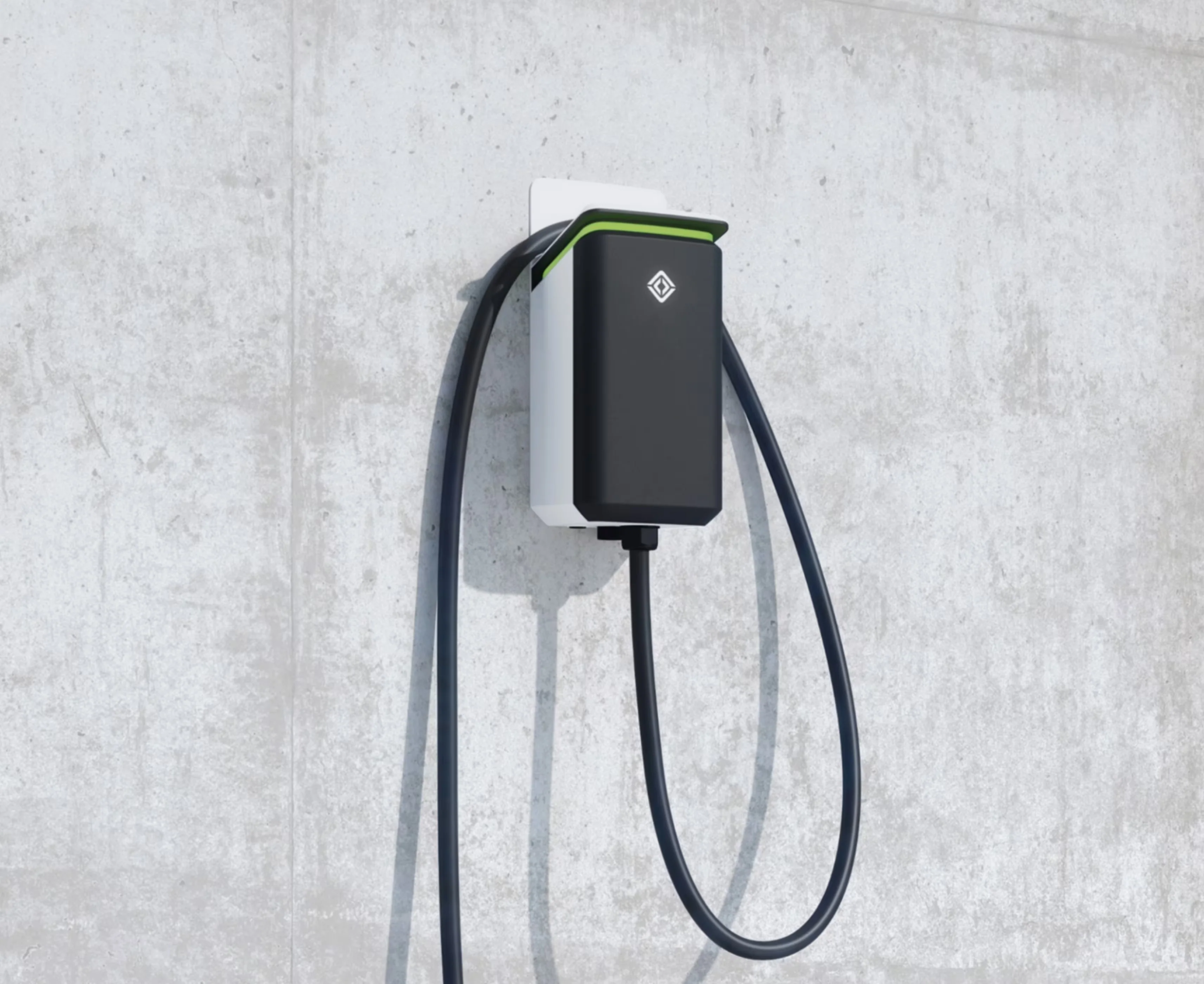
All chargers should be connected to the Kahramaa smart platform once installed, which allows Kahramaa to monitor EV charging stations in Qatar and optimize their performance, according to its technical specification. The platform is operated as part of Tarsheed, the national program for conservation and energy efficiency.
The Ministry of Communications and Information Technology and Kahramaa unveiled the second version of the platform in March 2025, featuring an online portal for service providers and a chatbot offering support around the clock. Rashid Al-Rahimi, who heads the Conservation and Energy Efficiency Department at Kahramaa, said the updated procedures support the shift to sustainable electric transport and high standards of safety.
Who Is Responsible After Installation?
After installation, the responsibility for operating and maintaining the charger, including its safe use, falls on the property owner, according to Kahramaa. Owners must abide by the laws and regulations on electricity connections and follow the safety protocols. Tenants interested in installing an EV charger should therefore approach the owner of the villa first.
Chargers may also sit alongside rooftop solar panels. Arady explains the rooftop program in its guide to solar panels in Qatar, and the first supply to a new home in its guide to a new Kahramaa connection.
Costs and Contacts
The published Kahramaa procedures list no fee for a residential charger request. The owner pays for the EV charger and the installation service, so it is worth comparing prices before committing to a contractor.
For queries about home charging, the Tarsheed team can be reached at [email protected] or via WhatsApp on 7772 8600. The Kahramaa call center answers on 991. Away from home, drivers can use the public charging network, which had close to 200 stations as of September 2025, The Peninsula reported.
Villas for Sale in Qatar
Buyers looking for a home with private parking can browse villas for sale in Qatar on Arady.

Sources
- The Peninsula, Kahramaa updates procedures for installing, operating EV charging stations
- Kahramaa, Technical Specifications for Electric Vehicles Charging Stations
- Ministry of Communications and Information Technology, second release of the Tarsheed Smart EV Charging Platform
- Hukoomi, Request to Increase Electricity Loads
- Gulf Times, Kahramaa launches electricity delivery e-service for vehicle charging stations
- Gulf Times, Kahramaa releases rules for EV charging stations
- The Peninsula, Qatar expands EV charging infrastructure with 200 stations, app
Newsletter
Stay ahead of Qatar's property market
Sign up to receive the latest articles on property prices, land prices, buying guides, and real estate news in Qatar delivered right to your inbox.
No spam, ever. Unsubscribe anytime.
Related articles
Building Permit in Qatar, Steps, Fees and Rejection Reasons
QAR 100 is the inspection fee for a building permit in Qatar, and Hukoomi puts the first review at three days. A consulting office files the request, and missing documents or drawings that break the rules get it rejected.
Solar Panels in Qatar, How to Install Them with BeSolar
QAR 0.237 per kilowatt hour is the price Kahramaa pays for surplus power from solar panels in Qatar under its BeSolar service. No application fee applies at present, and the system size cannot exceed the contracted load of the customer.
Kahramaa New Connection Guide for New Homes in Qatar
QAR 2,000 is the security deposit for a residential Kahramaa account, QAR 1,200 for electricity and QAR 800 for water. A Kahramaa new connection for a newly built home also carries a one-time connection fee, starting at QAR 920 for electricity.
Newsletter
Stay ahead of Qatar's property market
Sign up to receive the latest articles on property prices, land prices, buying guides, and real estate news in Qatar delivered right to your inbox.
No spam, ever. Unsubscribe anytime.